
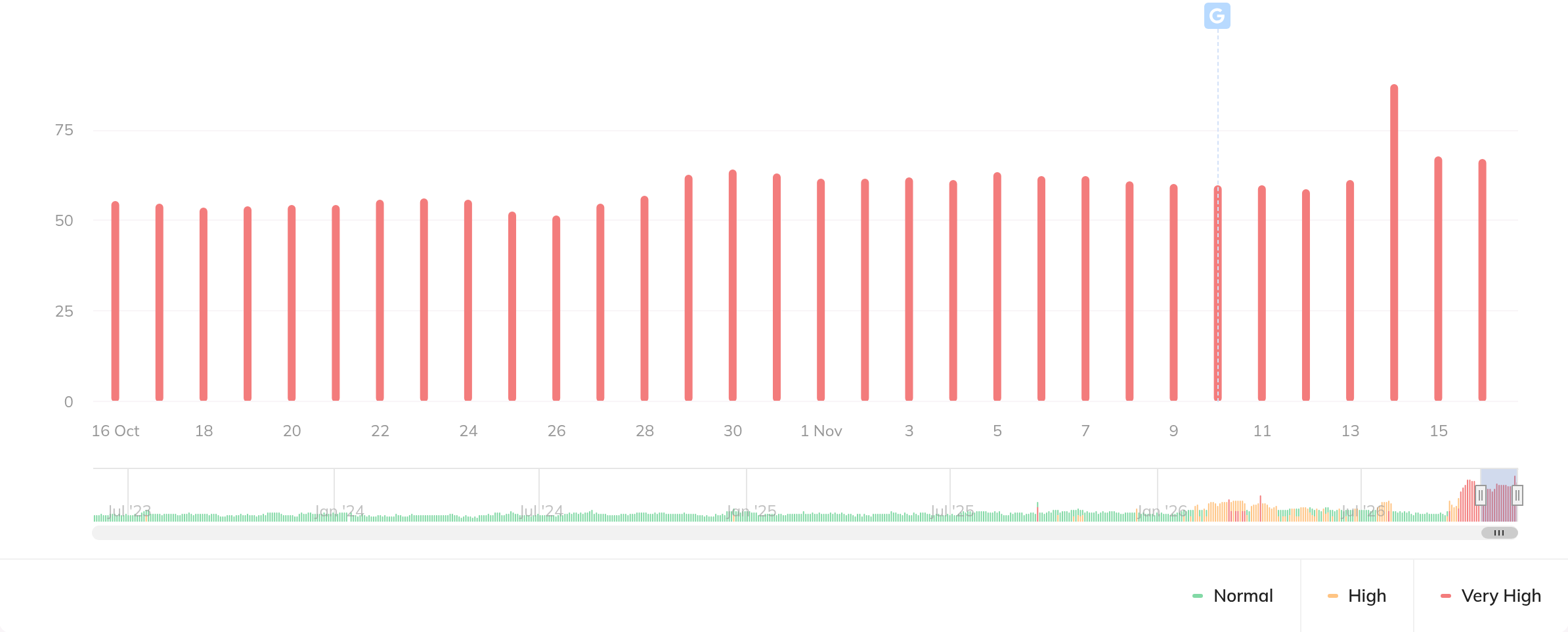
Google’s November 2026 core update started on 10 November and is still rolling out as of 19 November. At the same time, Gemini 4 Hydrogen became the default model in AI Mode on 12 November. For small and medium businesses that rely on Google for leads, this combination creates noise in the data. At Wevlopers we see the same pattern every core update: owners check Search Console daily, panic over short-term drops, and make changes that later get reversed. The practical move right now is to watch, not rewrite.
Wevlopers has worked with home service, healthcare, real estate and local service businesses across India, Australia, the UK, USA and the UAE through multiple core updates. The sites that recover fastest are the ones that wait until the update finishes and then measure properly. This post covers exactly what to check while the November update is still live, what the Gemini 4 Hydrogen change means for AI Overviews and AI Mode, and the simple checklist we use with clients.
What Google actually announced
On 10 November Google posted on its Search Status Dashboard that it released the November 2026 core update. It applies globally to all languages and “may take up to 2 weeks to complete.” That window puts the likely finish around 24 November—just before Black Friday in the US and similar shopping peaks in other markets. Google called it a regular update designed to better surface relevant, satisfying content from all types of sites. No specific content type or industry was targeted.
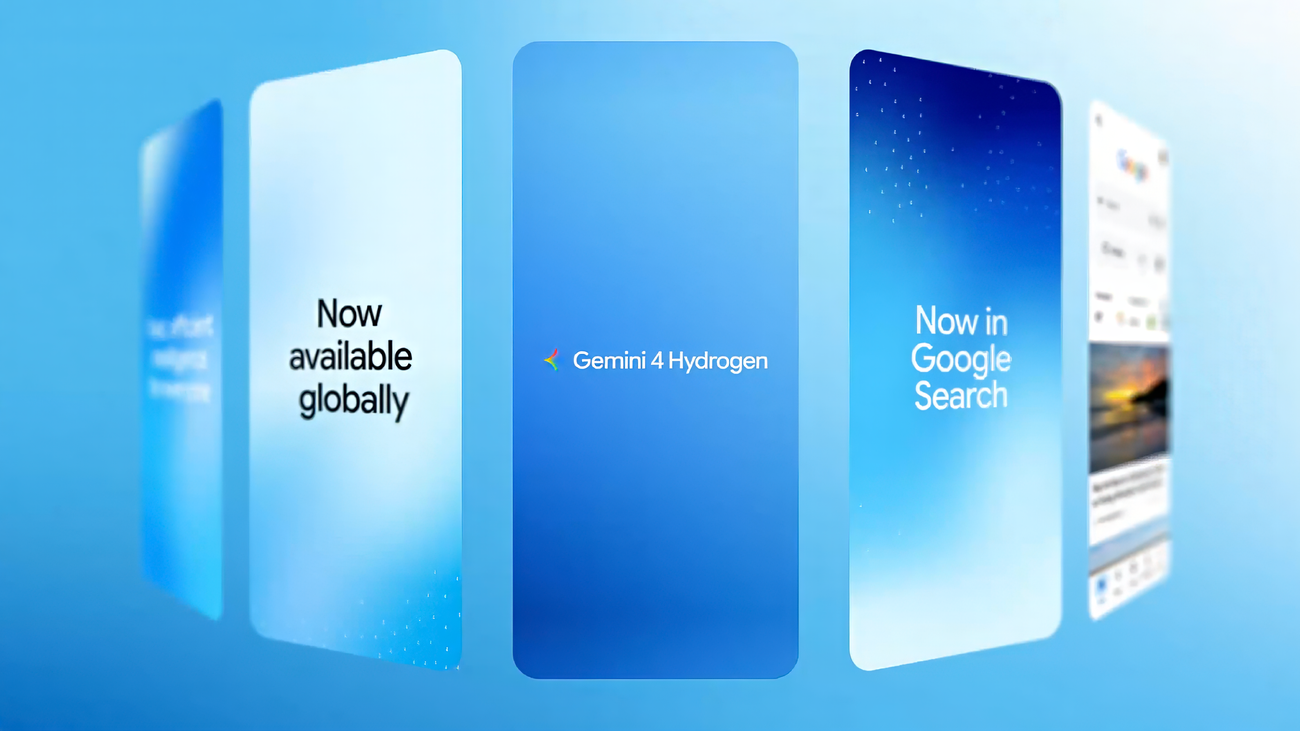
Two days later, on 12 November, Google made Gemini 4 Hydrogen the default model in AI Mode for all users worldwide. Hydrogen also handles the hardest AI Overview questions. Google said the model improves multi-part queries, typo handling and query fan-out, and that it returns more helpful links. The model change happened in the middle of the core update, so citation and ranking shifts are hard to separate until both settle.
Movement in third-party tracking tools picked up around 14 November. Search Console performance data has also been laggy, and there was a confirmed logging bug in the Generative AI performance report that reduced impressions from 9–11 November. Do not treat every dip in that window as a ranking loss.
What to check while the update is still rolling
While the update is active, limit changes to things that are clearly broken or that you would fix anyway. Here is the short list Wevlopers uses with clients during any core update:
- Manual actions and security issues in Search Console — if both are empty, the drop is not a penalty.
- Page indexing report — look for sudden increases in “Crawled – currently not indexed” or “Discovered – currently not indexed.”
- Coverage of key money pages — confirm the main service and location pages are still indexed and returning 200.
- Google Business Profile for local businesses — verify NAP, categories, hours and review replies are accurate. Local pack and Maps results can move independently of organic rankings.
- AI Overview and AI Mode citations — search your main queries and note whether your pages appear as supporting links. Hydrogen’s query fan-out can surface different URLs than before.
Avoid rewriting large amounts of content, changing title tags across the site, or adding thin AI-generated pages just because rankings moved. Those changes are hard to reverse if the update later rewards the original version.
How Gemini 4 Hydrogen changes the picture for AI visibility
Hydrogen is now the default in AI Mode and powers some of the harder AI Overview answers. Google says it handles messier, multi-part questions better and connects users to a broader range of links through improved query fan-out. For businesses, this means two things:
First, pages that already answer questions clearly in the first 150–200 words have a better chance of being cited. Second, third-party mentions and consistent brand facts still matter more than special AI schema. Google has repeatedly said that optimising for AI features is still SEO—pages need to be indexed and eligible for snippets.
On 17 November Google also added temporary threads to AI Mode. These sessions are detached from the account, are not saved to history, and do not affect personalisation. For site owners this is mainly a user-privacy feature; it does not change how pages are selected for answers.
Practical checklist for the next 7–10 days
Use this until Google marks the update complete on the Search Status Dashboard:
- Note your baseline: export Search Console data for 3–9 November (the week before the update started).
- Check the three reports listed above (manual actions, indexing, key pages) once or twice this week.
- Search 5–10 of your highest-value queries and record whether you appear in AI Overviews or AI Mode answers.
- For local businesses, confirm Google Business Profile details match the website exactly.
- Do not make site-wide content or technical changes based on daily rank fluctuations.
- After Google confirms the rollout is finished (likely around 24 November), wait another full week before judging winners and losers. Then compare the post-update week against the 3–9 November baseline.
This approach has worked for Wevlopers clients across different markets. Sites that stayed calm and fixed only clear technical or content problems usually regained or improved positions once the update settled. Sites that rewrote everything during the rollout often took longer to recover.
What comes after the update finishes
Once the November update is complete, the useful work is measurement and targeted improvement. Look at which pages lost or gained visibility, whether the loss is concentrated on one topic or site-wide, and whether AI citations changed. Then decide if any pages need clearer answers, better internal links, or stronger third-party coverage. The same fundamentals that help organic rankings also help AI visibility.
If your traffic or leads moved more than expected and you want a second pair of eyes on the data, Wevlopers offers a free audit that looks at both traditional rankings and AI search visibility. No long-term commitment required—just a practical review of what is happening on your site right now.


