
Google started its November 2026 core update on 10 November 2026. As of 22 November the rollout is still active and Google has said it can take up to two weeks. Two days after the core update began, Gemini 4 Hydrogen became the default model in AI Mode and started powering the hardest questions in AI Overviews. For most small and medium businesses the practical problem is simple: traffic is moving and it is hard to tell whether the cause is the core update, the new AI model, or both.
At Wevlopers we are seeing this confusion with clients across India, Australia, the UK and the UAE. The right response is not to rewrite pages while rankings are still settling. It is to measure correctly and then improve the pages that actually lost visibility.
What Google Actually Changed in Mid-November
The November 2026 core update is a regular ranking update. It applies globally to all languages and is designed to surface more relevant, satisfying content. It is the third core update of 2026 after March and May. Google has not named any specific sites or industries as targets.
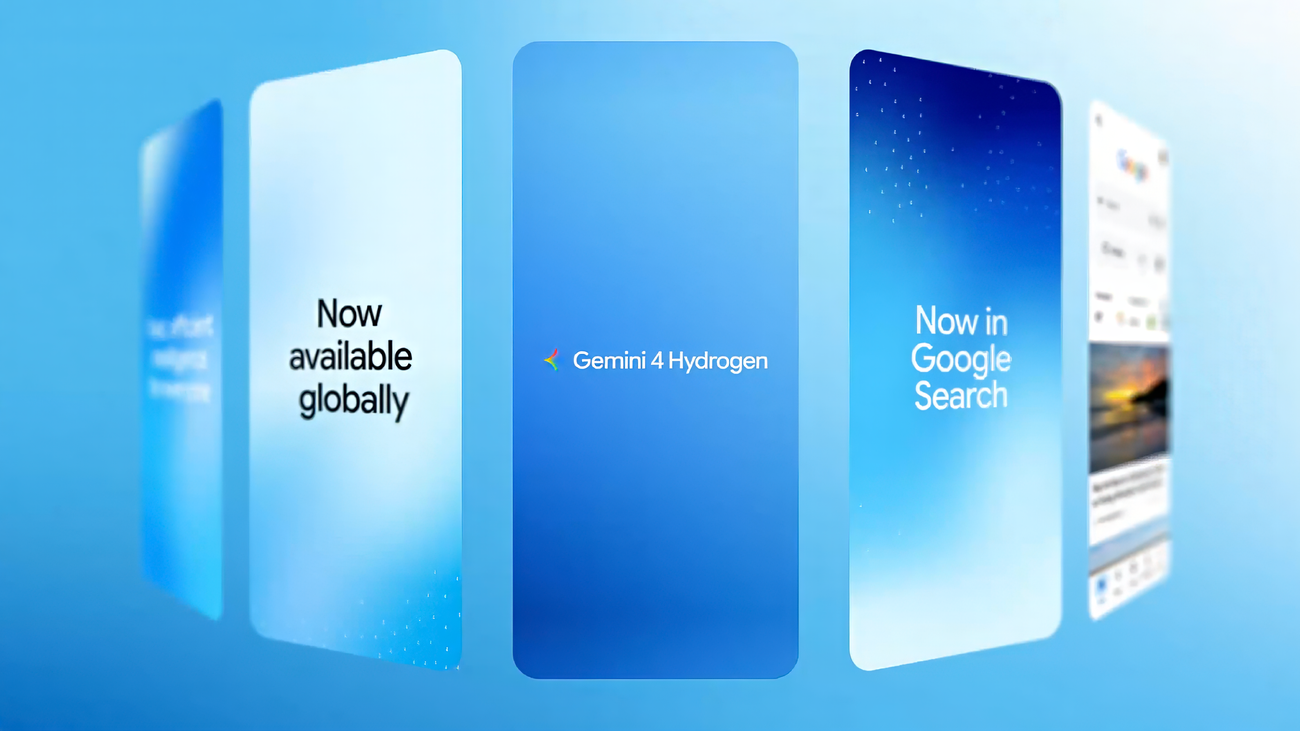
Separately, on 12 November Google made Gemini 4 Hydrogen the default model in AI Mode for all users worldwide. Robby Stein called it the biggest model upgrade to Search yet. The model improves intent understanding for multi-part questions, expands query fan-out (running more simultaneous sub-searches), produces more visual answers with tables and images, and handles more languages better. It also powers the hardest AI Overview questions.
These two changes landed 48 hours apart. Rankings can move because of the core update. Clicks can also fall because AI Overviews now appear on a larger share of queries and studies continue to show 35-40% fewer outbound clicks when an Overview is present.
Why Small Businesses Are Seeing Mixed Signals
A drop in clicks does not always mean a drop in rankings. AI Overviews now appear on the majority of commercial and informational queries in many verticals. When an Overview sits at the top of the page, the organic results below receive fewer clicks even if their ranking positions stay the same.
At the same time, the core update is re-scoring which pages Google considers most helpful. Some sites gain, some lose, and many stay roughly flat. Because rank trackers have become less reliable in 2026, the only clean data source is your own Google Search Console.
Wevlopers recommends treating the two issues separately. First confirm whether rankings moved after the core update finished. Then look at AI Overview impressions and citations in the Generative AI performance report.
What Not to Do While the Update Is Still Rolling Out
Google’s own guidance is clear: do not make large content changes while a core update is rolling out. Rankings can swing multiple times during the rollout. Changes made now make it impossible to know what caused any later recovery or further drop.
Avoid these actions until the rollout is complete and you have a clean comparison week:
- Rewriting titles, meta descriptions or body content on pages that were performing well before 10 November
- Deleting or noindexing pages in a panic
- Buying links or running a full disavow
- Hiring a “core update recovery” service that promises quick results
You should still fix genuine technical errors immediately: accidental noindex tags, broken pages, wrong contact details, or a hacked site. Those are not related to the core update.
How to Measure the Impact Correctly
Follow this sequence. It matches Google’s recommended process and avoids the most common measurement mistakes.
- Note the start date. 10 November 2026 (logged at 10:06 Pacific on the Search Status Dashboard).
- Wait for the completion notice. Check the Search Status Dashboard every couple of days. Google said the rollout may take up to two weeks, so the earliest clean finish is around 24 November.
- Wait one full additional week after Google marks the update complete.
- Compare that settled week with the week of 3-9 November in Search Console (the last full week before the update started).
Look at both impressions and clicks, and break the data down by page and by query. Also open the Generative AI performance report so you can see whether AI Overview impressions rose at the same time. Holiday demand (Thanksgiving, Black Friday) will distort numbers for many sites, so compare year-over-year as well if you have the data.
Practical Steps After You Have Clean Data
Once you have a clean comparison, decide based on the size and duration of any change:
- Small drop or no change: Leave strong pages alone. Continue your normal content and technical work.
- Large, sustained drop on specific pages: Open the results that now outrank those pages. Compare usefulness, originality, first-hand experience and how completely they answer the query. Improve or consolidate the weaker pages.
- Clicks down but rankings stable: Focus on AI visibility. Make key pages easier for AI systems to cite by adding clear, self-contained answers, original data, and strong author signals.
Hydrogen’s improved query fan-out means Google is running more sub-searches behind AI answers. Pages that clearly answer specific sub-questions with original information have a better chance of being selected as sources.
Quick Checklist for the Next Two Weeks
This week (while the update is still rolling):
- Export Search Console data for 3-9 November as your baseline
- Annotate 10 November in your analytics
- Fix only clear technical or factual errors
- Do not rewrite winning pages
After the update is marked complete + one week:
- Compare the settled week against the baseline
- Separate ranking movement from AI Overview click loss
- Improve the pages that clearly under-perform on usefulness
- Add original data or first-hand examples where AI answers are citing competitors
The November 2026 core update and the Hydrogen model change are both real. They are also both temporary sources of noise if you measure them correctly. Most small businesses do not need a complete strategy overhaul. They need clean data and then steady improvements to the pages that actually lost ground.
If you want a second pair of eyes on your Search Console data or a practical plan for both traditional rankings and AI citations, Wevlopers offers a free SEO audit for small and medium businesses. Reach out and we will look at your numbers with you.


