
AI Overviews now appear on the majority of Google searches, and AI Mode is expanding into direct actions like booking home services. For local businesses in India, Australia, the UK, USA, and the UAE, showing up as a cited source is becoming as important as traditional rankings. At Wevlopers we help small and medium businesses turn these shifts into real leads by focusing on practical, measurable steps rather than theory.
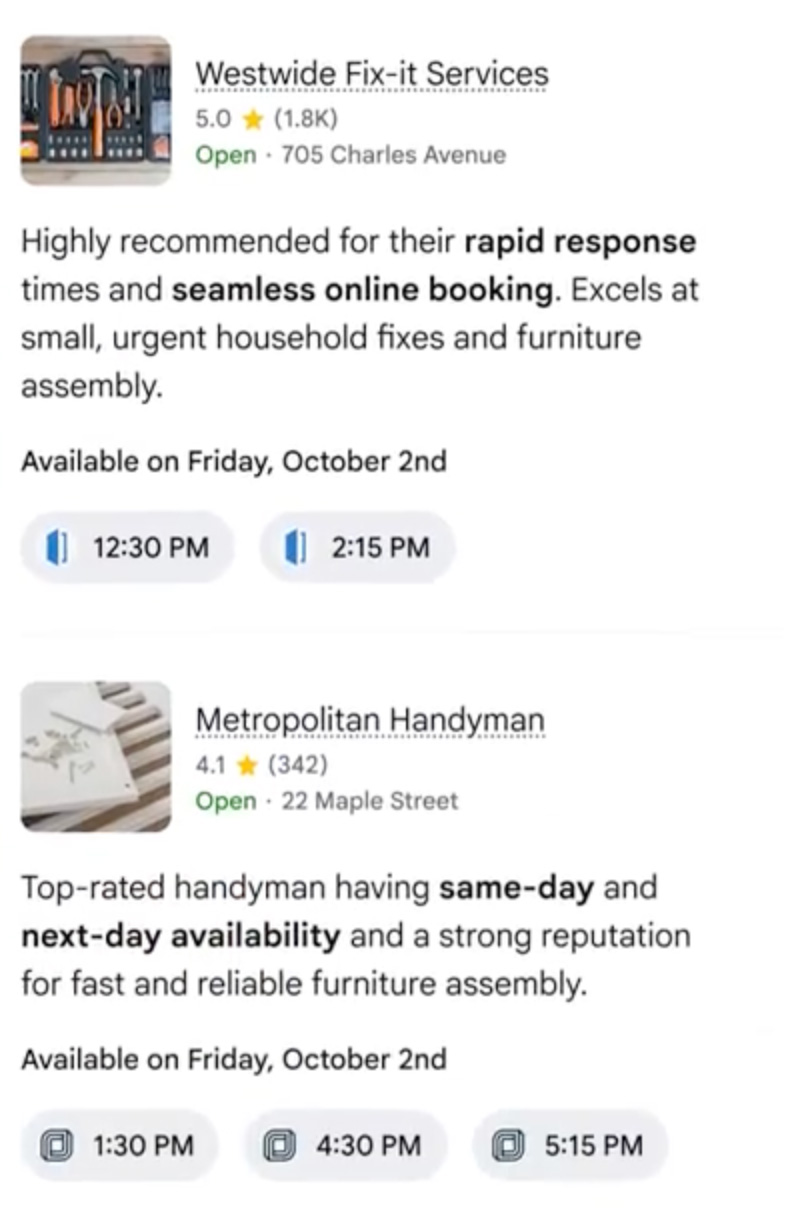
Google’s own data and independent trackers show AI Overviews on roughly 80 percent or more of searches in key markets, with higher rates on commercial and local-intent queries. AI Mode, which reached over one billion monthly users earlier this year, now surfaces booking links for home services in the US through partners like Angi, Thumbtack, Housecall Pro, and Jobber. Even outside the US, the pattern is clear: search is moving from “ten blue links” to answers that recommend specific businesses. Wevlopers clients in home services, healthcare, and real estate are already adjusting their content and profiles for this reality.
Why Getting Cited Matters More Than Pure Rankings Now
When an AI Overview or AI Mode answer appears, organic click-through rates drop significantly. Studies from late 2026 put the reduction for the top organic result around 50 percent or more when an AI summary is present. The businesses that still win are those the AI chooses to name, quote, or link. For a local plumber, dentist, or real estate agent, that means the AI can recommend you by name with a reason, rather than forcing the searcher to click through a list.
Google has confirmed that its AI features rely on the same core ranking systems as regular Search, plus additional signals around clarity, trustworthiness, and extractability. Recent analyses show that pages ranking in the organic top 10 are still more likely to be cited, but many citations also go to sources that rank lower if they answer the question cleanly and are easy for the model to pull from.
Step 1: Make Sure AI Crawlers Can Actually Reach Your Pages
A page an AI system cannot fetch cannot be cited. Check your robots.txt and server logs for these bots:
- Googlebot (covers AI Overviews and AI Mode)
- OAI-SearchBot (ChatGPT search)
- PerplexityBot
- Claude-SearchBot
- Bingbot (ChatGPT search often uses Bing’s index)
Allow them. Also submit your sitemap in both Google Search Console and Bing Webmaster Tools. Pages that time out or return errors when AI systems try to fetch them are cited far less often. One study of hundreds of thousands of pages found that frequent fetch failures reduced citations dramatically, sometimes to zero.
Step 2: Structure Content So AI Can Lift Clear Answers
AI systems scan for quotable passages. Lead with the answer, then support it. Use question-style headings (How much does emergency plumbing cost in Melbourne? or What should I check before hiring a roofing contractor in Dubai?). Keep paragraphs short. Add specific numbers, named sources, and short expert quotes where they add real value.
Princeton’s GEO research and later 2026 replications still show measurable lifts from adding statistics (+33 percent in the original study), citing sources, and including expert quotations. Keyword stuffing hurts. For local businesses, the strongest pages are usually service pages and FAQ-style guides that answer the exact questions customers ask AI tools.
Example structure for a home services page:
- Direct answer in the first 100–150 words
- Local pricing range with a date and source if possible
- 3–5 clear steps or checklist
- Real photos of completed work
- FAQ section with schema
Step 3: Strengthen Trust Signals AI Actually Uses
Reviews and third-party mentions rank high among the signals marketers and researchers say AI systems trust. Customer reviews on your Google Business Profile, consistent NAP (name, address, phone) across directories, and mentions on relevant local or industry sites all help. Google has also updated its helpful content guidance to emphasize genuine expertise and to warn against fake authorship.
Reply to reviews. Keep your Business Profile complete with accurate categories, services, hours, and real photos. For many local queries, the AI pulls heavily from Business Profile data and recent reviews when deciding whom to recommend.
Step 4: Treat Your Google Business Profile as an AI Asset
Google is testing higher placement for Posts on local knowledge panels. Even if it remains a test, fresh Posts (Updates, Offers, Events) give the AI and searchers current information about your business. Follow the current rules: avoid unverified phone numbers or social links inside Posts, and keep promotional pricing out of the main listing description.
Also watch for Google’s expanding AI messaging and booking experiments. Businesses that already have clean profiles, strong review velocity, and clear service descriptions are better positioned when these features expand beyond the US.
Step 5: Measure What You Can and Iterate
Use Search Console’s AI features reporting (where available) and Bing’s AI Performance report. Manually check a set of buyer questions in AI Mode, AI Overviews, ChatGPT, and Perplexity every couple of weeks. Note which businesses get named and what sources are cited. Update pages that are close but not quite extractable.
Practical weekly checklist for local businesses:
- Confirm key service pages load quickly and are not blocked
- Add or refresh one FAQ-style section with a clear answer and local detail
- Post one useful Update on Google Business Profile
- Reply to new reviews
- Check one AI answer for your main service + city and note any gaps
These steps are straightforward and do not require a large content team. At Wevlopers we regularly audit sites for exactly these issues—crawler access, extractable answers, Business Profile completeness, and trust signals—and see consistent gains in both traditional rankings and AI mentions for clients who implement them.
If you want a free review of how your site and Google Business Profile currently appear in AI answers, contact Wevlopers. We focus on practical fixes that produce measurable leads for small and medium businesses.


