
Google just made it easier for people to click through from AI answers to real websites. On 15 October 2026 the company updated AI Mode and AI Overviews so inline links appear higher and more often, related links get thumbnails, and a test section can highlight the one or two official pages needed to finish a task. At Wevlopers we help small and medium businesses turn these changes into actual leads instead of watching traffic disappear into AI summaries. The updates are already rolling out across major markets including India, Australia, the UK, USA and UAE.
What Google Actually Changed
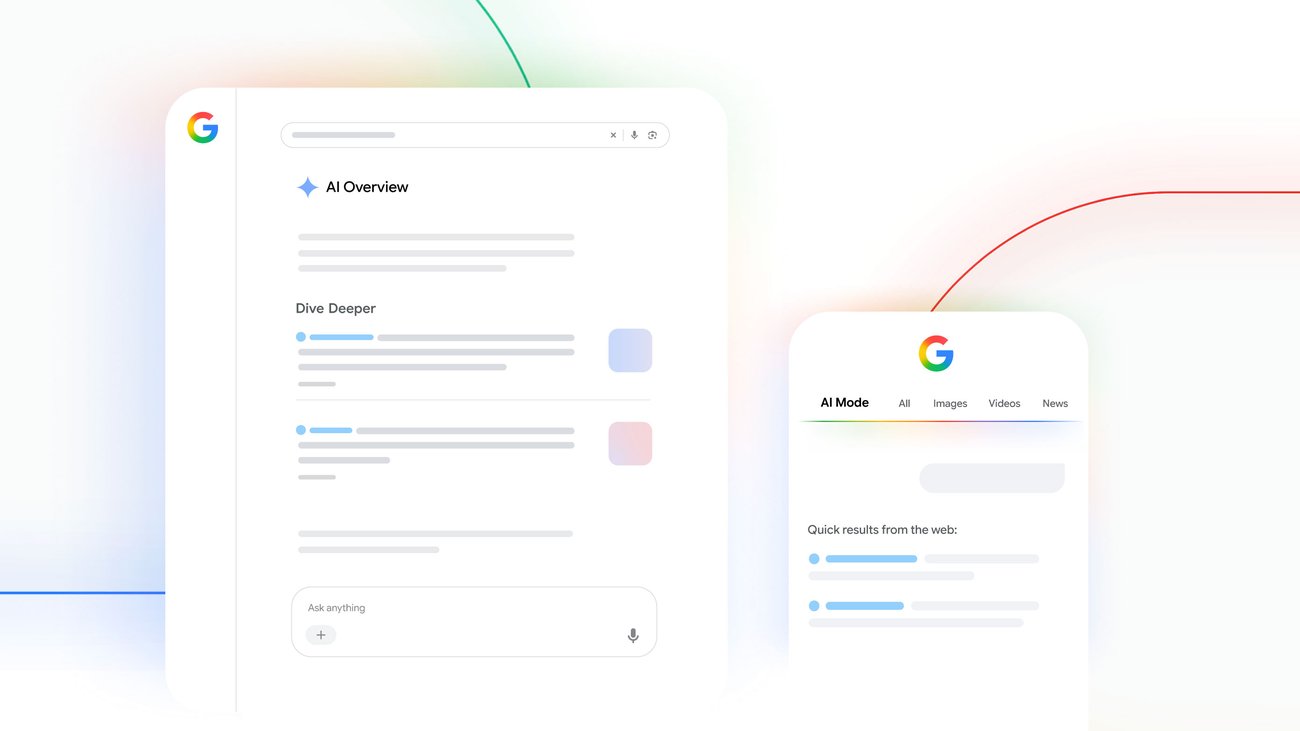
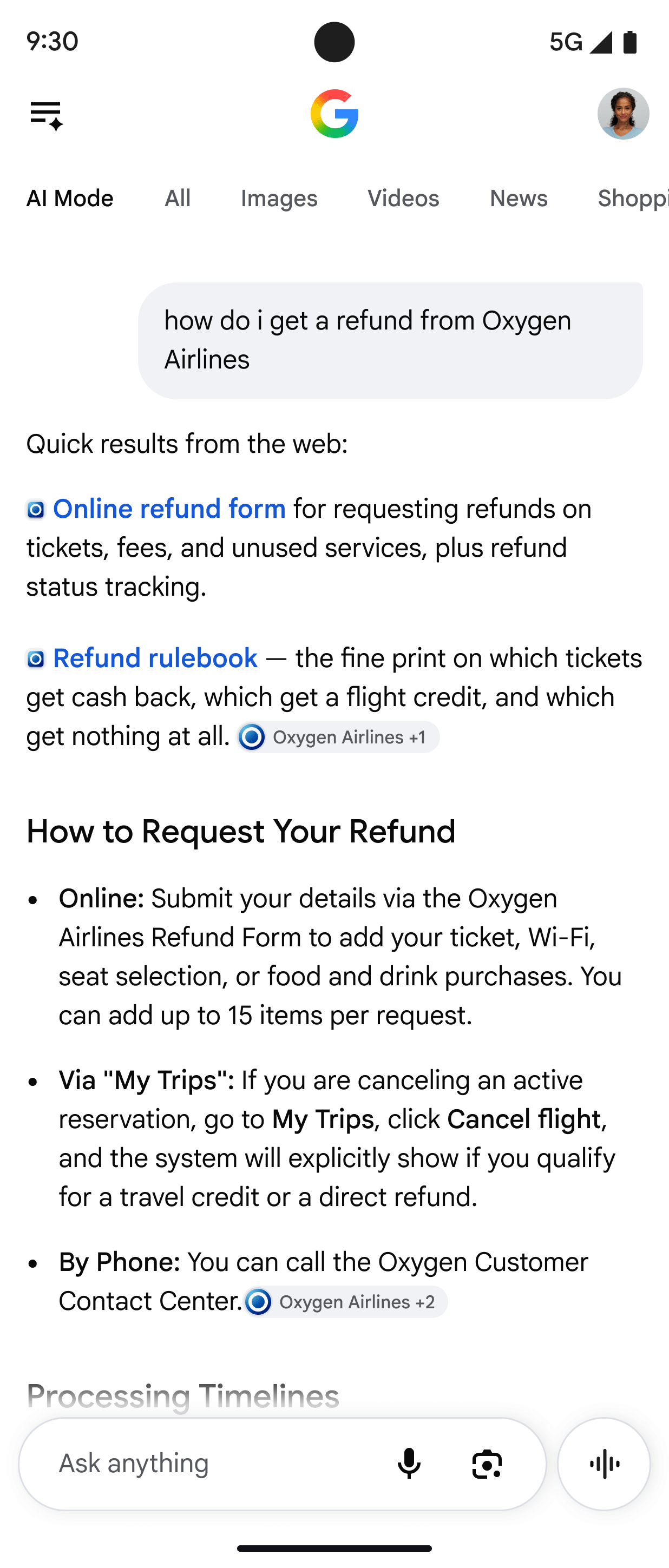
Hema Budaraju, VP of Product Management at Google, announced five concrete updates. Inline links (the ones embedded in words or phrases inside the AI answer) now show up more frequently and higher in the response so key sources are clickable right when a reader needs them. Google is also testing a dedicated section at the top of some answers that surfaces the one or two official web pages required to complete a specific task, complete with a short note explaining why each link is useful.
Timely article carousels are expanding to more locations and languages and will highlight a user’s Preferred Sources. Links that appear at the end of some answers (the Dive Deeper section) now include image thumbnails and a more clickable design. Finally, Google is testing clickable creator and publisher names on video results inside AI Mode that lead to Search profiles. Preferred Sources usage itself has grown more than seven times since the start of the year.
Why This Matters for Small Businesses
Most small businesses still measure success by traditional blue-link rankings. AI Overviews and AI Mode now appear on a large share of commercial and branded queries, and earlier data showed they can reduce clicks to the classic results. The new prominence of links is Google’s response to publisher concerns. If your page is eligible and useful, you now have a better chance of being the link someone clicks instead of staying trapped inside the AI answer.
For local service businesses in particular—plumbers, clinics, real estate agents, home service companies—the “official page” test is interesting. When someone searches for a concrete next step (book an appointment, get a quote, find the official contact form), Google may surface the single best page for that task near the top. Being that page requires clear ownership of the action, not just ranking for the keyword.
Practical Steps to Get the Links
1. Make sure the page is eligible. The page must be indexed and allowed to show a snippet. Check Search Console for the Search generative AI control and confirm it is set to include your site. Remove any stray noindex tags on important service or landing pages.
2. Own the specific task. Create or clean up one clear page for each high-intent action: “Book a free consultation,” “Request a quote,” “Official refund policy,” or “Service areas and pricing.” Use a straightforward title, a short direct answer in the first 100–150 words, and a visible call-to-action. Google is testing a top section for the one or two official places that finish a task—give it an obvious candidate.
3. Write extractable, fact-checked passages. AI systems pull short, self-contained chunks. Break content into clear H2 sections that answer one question each. Add specific numbers, named examples, and proper attributions. On 1 October 2026 Google updated its guidance to say it is critical to manually fact-check all AI-generated content (including titles, meta descriptions, structured data and image alt text) before publishing. Do the review. Inaccurate claims hurt both rankings and citation chances.
4. Add images that help clicks. Dive Deeper links now show thumbnails. Use clear, relevant images on service and blog pages with descriptive alt text. A good photo of the actual work, the team, or a simple diagram performs better than stock photos of laptops.
5. Strengthen local signals if you serve a geographic area. Keep your Google Business Profile complete and accurate. Service-area businesses should list real towns, accurate hours, and recent photos. AI Mode already pulls from Business Profile data when answering local questions. Consistent NAP information across your site and profile improves the chance of being cited as the official local source.
6. Track what you can. Search Console now includes generative AI performance reports. Watch impressions from AI features and compare them with regular organic traffic. Clicks from AI answers are still limited, so focus on whether the pages that get cited also convert when someone does click.
Quick Checklist
- Confirm important pages are indexed and snippet-eligible in Search Console.
- Create one clear “official” page for each core action customers need to complete.
- Manually review any AI-assisted content and metadata for accuracy before it goes live.
- Add real images with proper alt text so Dive Deeper links look clickable.
- Keep Google Business Profile details current if you rely on local searches.
- Monitor AI feature impressions alongside regular traffic for the next 4–6 weeks.
Bottom Line
More visible links in AI Mode and AI Overviews do not automatically mean more traffic. They do mean that pages which clearly answer a question or finish a task have a better shot at being the source Google highlights. Wevlopers works with small and medium businesses to make those pages strong enough to earn the click. If you want a practical look at whether your key pages are set up to benefit from these changes, get in touch for a free audit or just reply with the URL of your main service page.


