
Google is making it easier for people to click out of AI answers. On 15 October 2026 the company updated AI Overviews and AI Mode so inline links appear higher and more often, while testing a top section for the one or two official pages that complete a task. At Wevlopers we have already started adjusting client content for this shift. The change does not guarantee more traffic, but it raises the value of clear, extractable answers on your own site. Wevlopers clients in home services, healthcare and real estate are seeing the same pattern: the pages that win the new links are the ones that answer a specific question in the first two sentences.
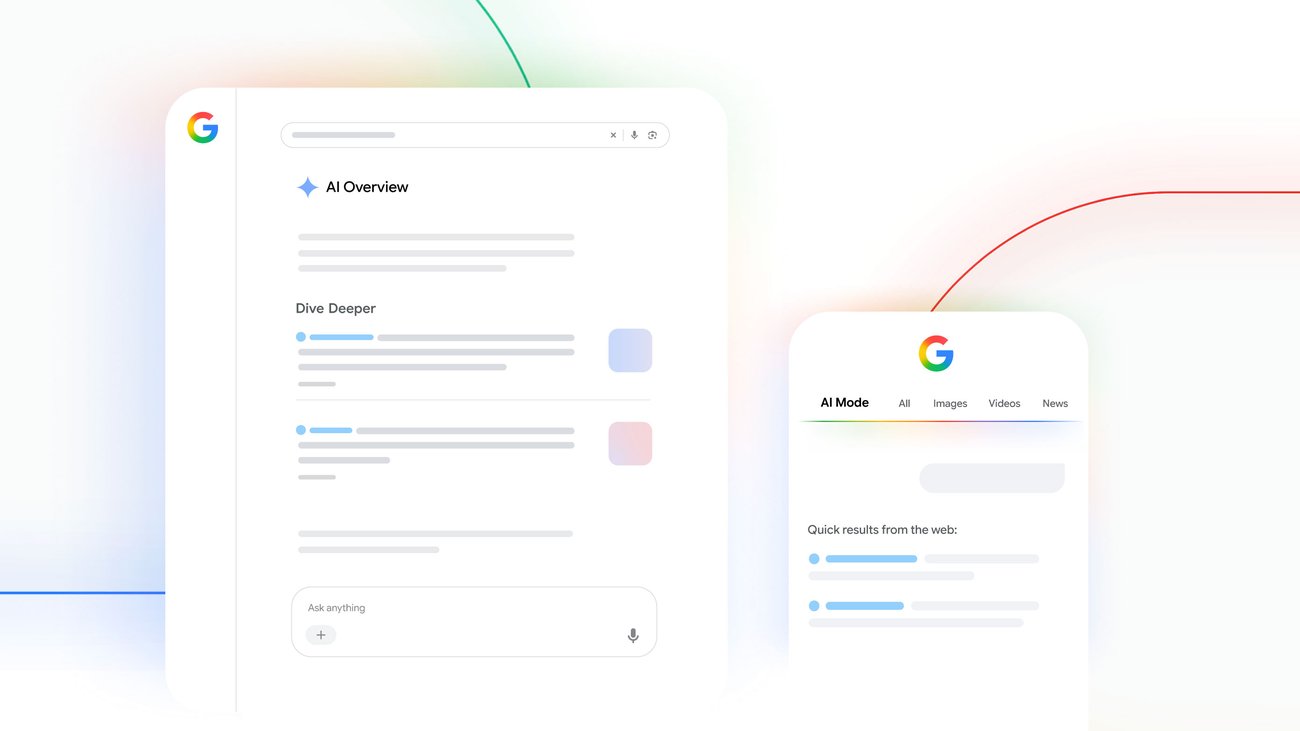
AI Overviews already appear on a large share of commercial and branded searches. Studies from late 2026 put them on more than 80 percent of tracked branded queries and a high percentage of commercial ones. Traditional position-one click-through rates have dropped where an Overview is present. Google still does not break out click data for these AI features in Search Console, so most businesses only feel the effect in overall organic traffic and conversions. The October update is Google’s attempt to send more people back to the open web.
What Google actually changed
Hema Budaraju, VP of Product Management, outlined five updates. The two that matter most for small and medium businesses are the increase in inline links and the test of an official-pages section.
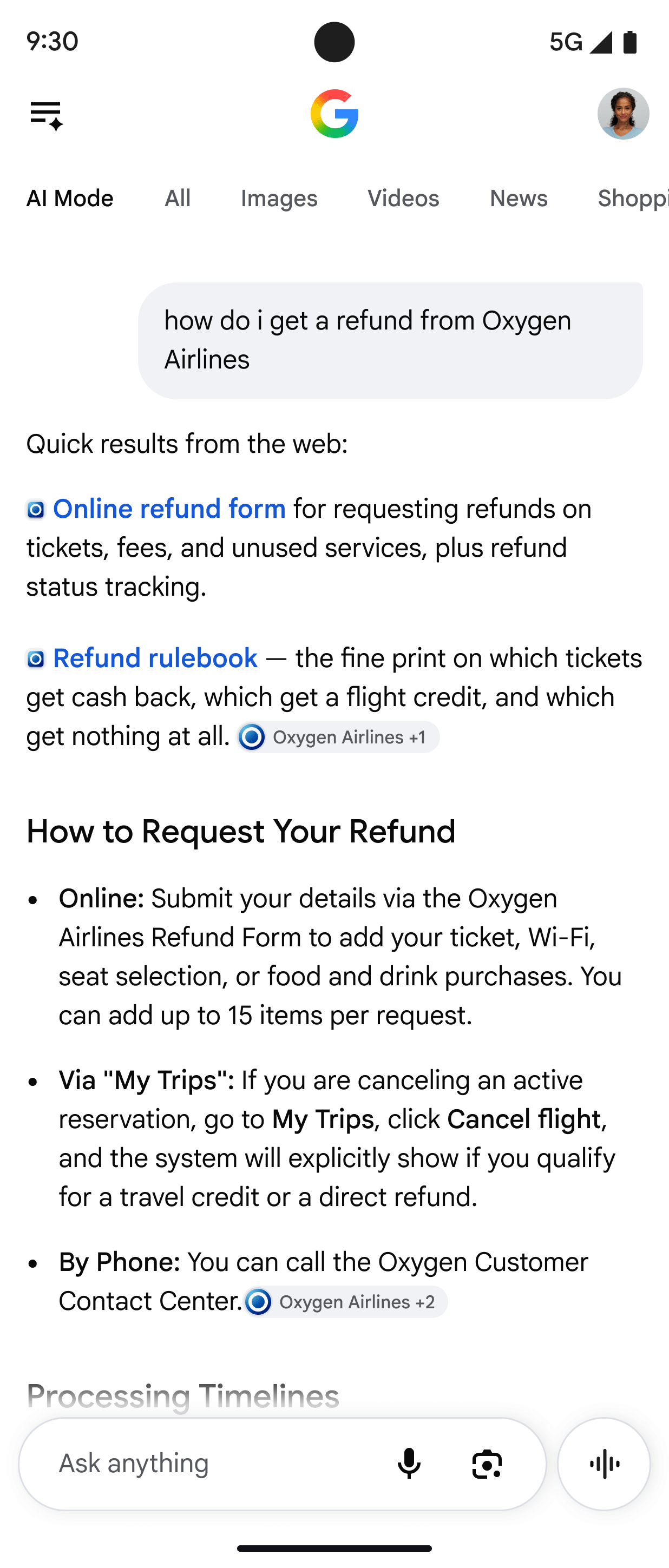
More inline links, placed higher. Inline links are the blue links embedded inside the sentences of an AI answer. Google said it has already made substantial increases in how often they appear and is now showing them higher in the response more frequently. A single clear sentence on your page can become the clickable source.
Official pages section (test). For queries where one or two official places can finish a task (book a service, get a quote, download a form, check pricing), Google is testing a dedicated block at the top of the answer. Each link includes a short note on why it is useful. This is the slot that rewards the page that owns the task.
The other changes include wider news carousels that highlight Preferred Sources (usage of which has grown more than seven times since the start of the year), more visual “Dive Deeper” links with thumbnails at the end of some answers, and a test of clickable creator names on video results in AI Mode that open Google Search profiles.
Why this matters for small businesses
Most small businesses do not need to chase every AI tool. They need to stay visible where their customers already search. In markets such as India, the UAE, the UK, Australia and the US, local and service queries still drive the majority of leads. AI Overviews and AI Mode now sit on top of many of those queries. When Google surfaces your page as an inline link or in the official section, you get a higher-quality visitor who already saw a summary of what you offer.
At the same time, ranking volatility has continued through October even after the September spam update finished on 8 October. Unconfirmed fluctuations hit many sites. Strong, clear pages that answer real customer questions have held up better than thin or purely AI-generated content. Google has also updated its guidance to stress fact-checking and human review of generative content.
Practical steps you can take this week
Here is the checklist we use with Wevlopers clients:
1. Make the first 100 words extractable. Open every important service or location page with a direct answer that includes a number, a date, a location or a clear next step. Example: “A standard air-conditioning service in Dubai takes 45–60 minutes and costs between AED 250 and AED 400 depending on unit size.”
2. Own one page per task. Create or clean up dedicated pages for “book a quote”, “service pricing”, “emergency call-out”, “download the checklist” or “find our nearest branch”. These are the pages most likely to appear in the official section.
3. Keep technical basics solid. Confirm Googlebot can crawl the page, the page is indexed, and you have not applied a page-wide nosnippet. Allow Google-Extended if you want the content eligible for AI features. Fix any soft 404s or thin parameter pages that dilute signals.
4. Add supporting evidence. Include one or two specific statistics or a short customer result, and link to the source or your own case study. Original data and clear attributions help both traditional rankings and AI citations.
5. Check Search Console regularly. Look at the Performance report for pages that receive impressions on commercial queries. Compare those with pages that rank in the top 10 but get few clicks. Those are the first candidates for the extractable-answer rewrite.
What not to do
Do not rewrite every page in a panic. Do not stuff keywords or create pages solely to chase AI answers. Google’s spam policies cover attempts to manipulate generative AI responses. Mass-produced AI text without human review continues to underperform. Focus on the 10–20 pages that already rank or that match the exact questions your customers ask.
Also avoid relying only on third-party rank trackers right now. Several tools have reported “poisoned” or inaccurate results in late October. Cross-check any big ranking swings with Google Search Console before making changes.
Measuring results
Because Search Console does not yet split AI Overview or AI Mode clicks from regular organic clicks, track overall organic sessions, leads and revenue on the pages you improved. Note any increase in impressions or clicks on queries that previously showed AI Overviews. For local businesses, also watch Google Business Profile insights and call tracking. A citation in an AI answer often lifts branded searches and direct visits even when the click volume looks modest.
The October changes give small businesses a clearer path to visibility inside Google’s AI answers. The work is still the same practical SEO we have always recommended: clear answers, strong pages, solid technical foundations and real customer results. Sites that do this consistently are the ones that keep receiving traffic when the SERP layout shifts.
If you want a free review of which pages on your site are most likely to pick up these new AI links, contact Wevlopers. We will look at your current rankings, content clarity and technical setup and give you a short list of priority fixes.


